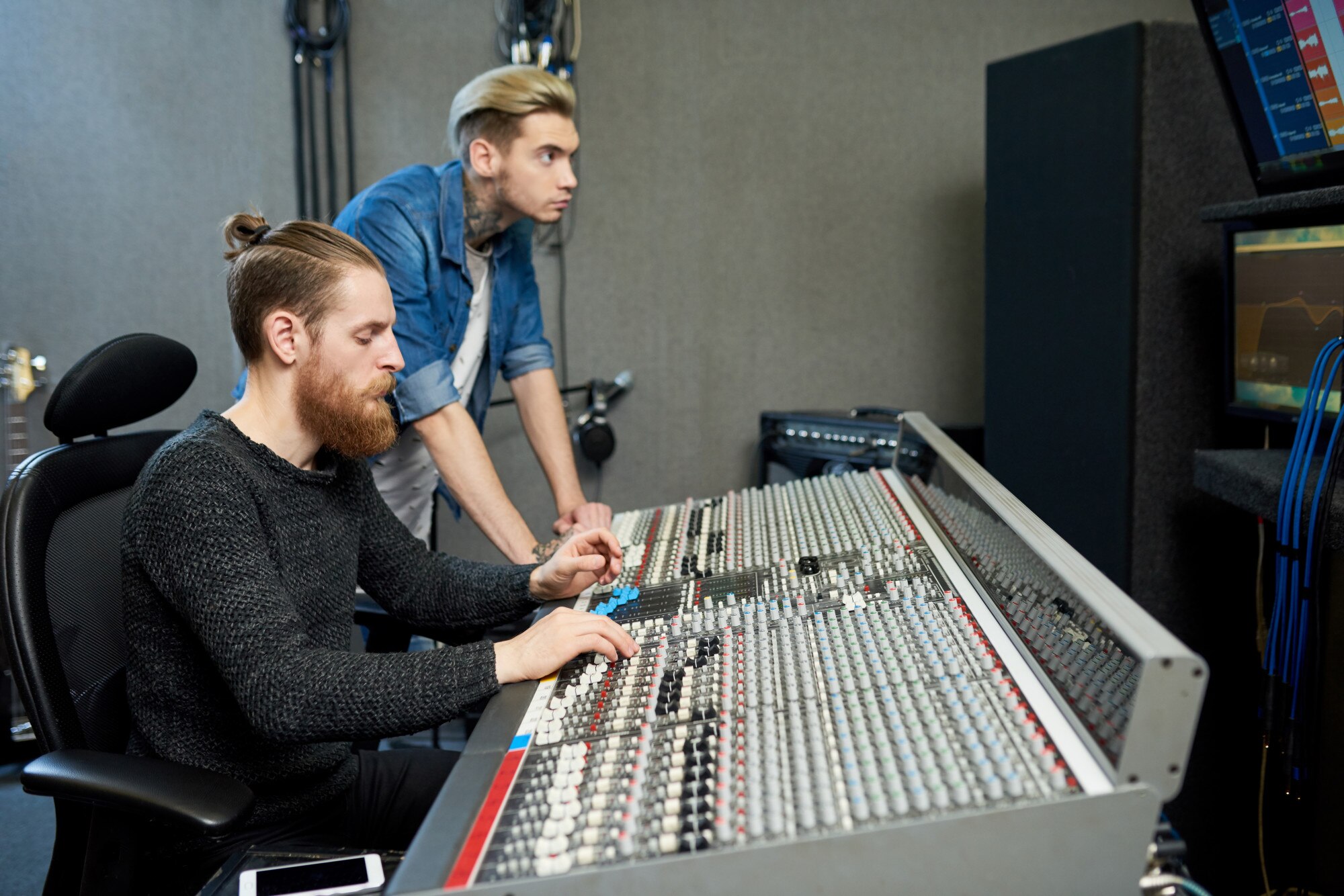
You’re about to host an event, but the thought of a muffled microphone or screeching speakers keeps you up at night. We’ve all been there. The solution lies in a professional sound system installation tailored to your venue’s unique needs. Imagine crystal-clear audio that elevates every word and note. Our team at Daytona Sound and Lighting Solutions is ready to make that a reality. Contact us today for a free consultation and discover how our expert team can tailor a sound solution to your venue’s specific needs! For further insights, you can check out this guide on sound system design for various venues.
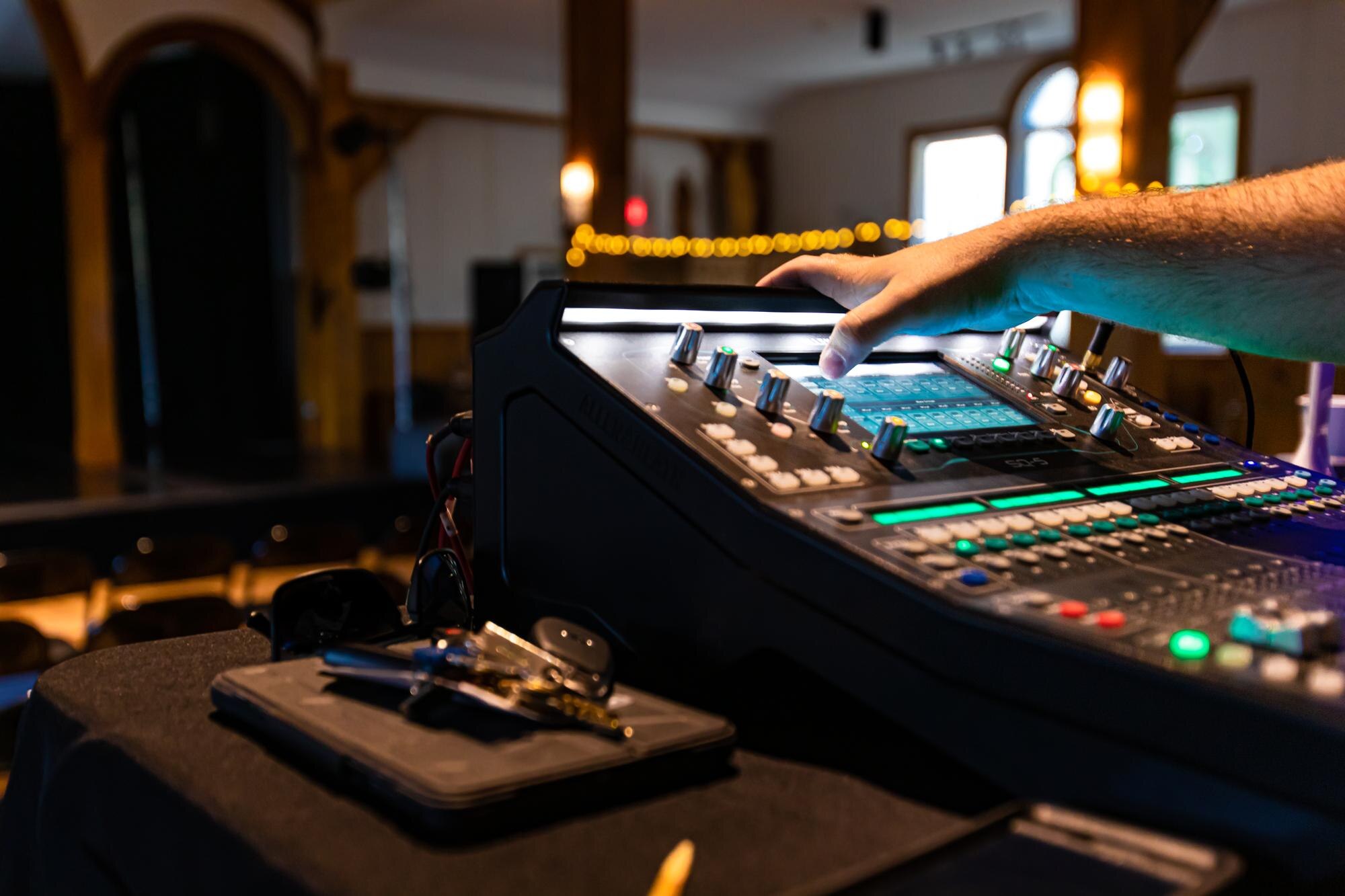
Selecting the right sound system for your venue is crucial. This section focuses on understanding venue acoustics and the specific needs of your event. Tailoring the sound system to fit these parameters ensures a seamless and high-quality audio experience.
Understanding venue acoustics is essential for optimizing sound quality. Acoustics can significantly influence how sound travels and is perceived within a space. Factors such as room size, shape, and materials can affect acoustics.
Larger venues often require more powerful systems to ensure sound reaches every corner.
Small, intimate settings might prioritize clarity over volume to maintain audio quality.
Real-world examples, such as this guide to sound system design, illustrate how different venues handle acoustic challenges.
Key insights:
Consider ceiling height and wall materials.
Account for potential echo or reverb.
In summary, properly assessing acoustics helps avoid common issues like feedback and ensures listeners receive the best audio experience.
Identifying the specific needs of your event is another critical step. Different events require different audio solutions, from background music to speeches and live performances.
For conferences, prioritize speech clarity.
Concerts may need robust sound systems for live music.
Weddings might require a combination of both music and clear announcements.
Real-world example: A live concert in a large venue might need multiple speakers and subwoofers to achieve the desired sound impact, as discussed in this Reddit thread.
Key considerations:
Type of event and expected audience size.
Special requirements like wireless microphones or audio-visual integration.
By clearly defining event needs, you can narrow down the sound system options to those that will deliver optimal performance.
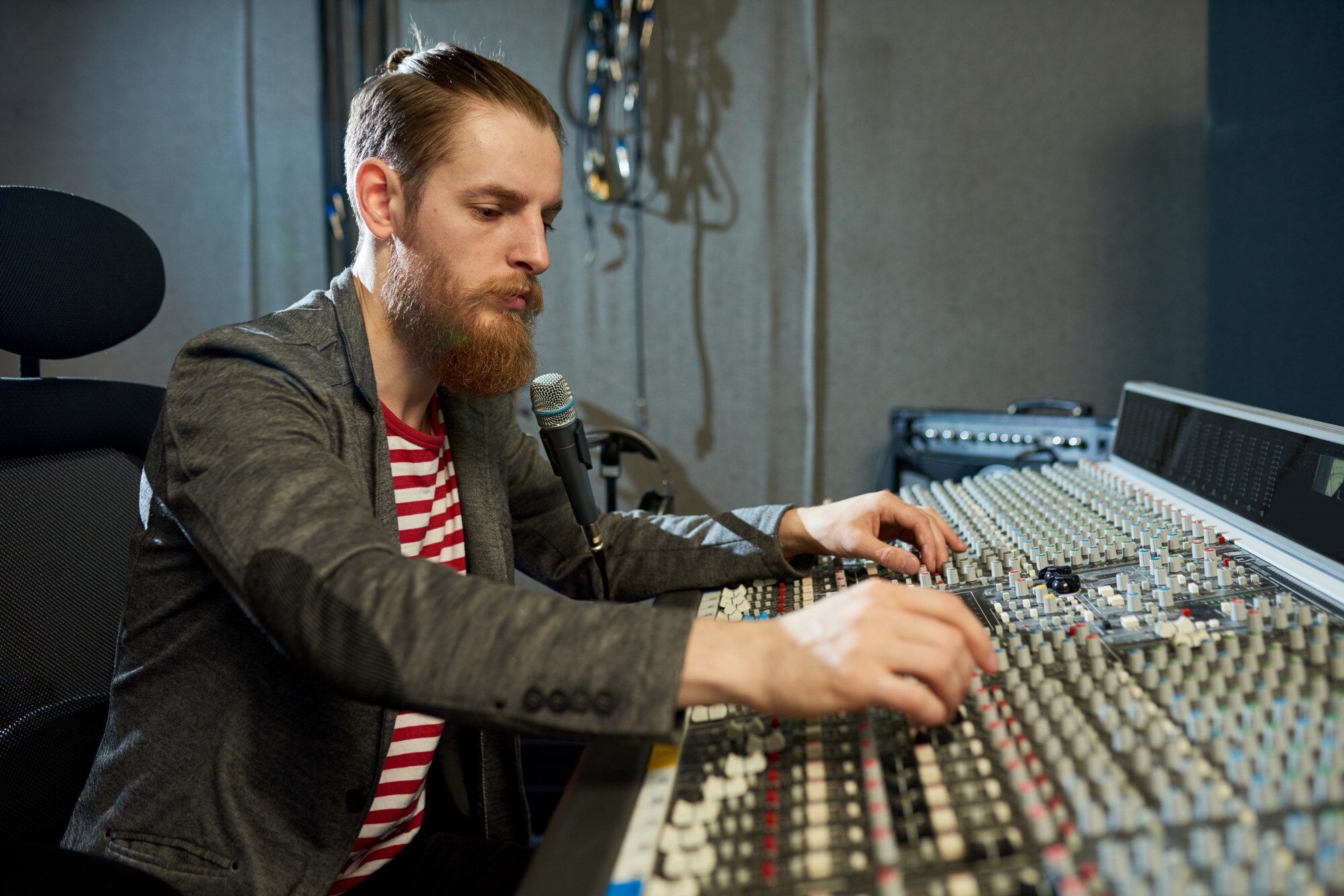
The installation process is vital to ensuring your sound system operates effectively. This section covers essential tips for selecting equipment and the steps involved in a professional setup.
Choosing the right equipment involves considering several factors. Speakers, amplifiers, and mixers are key components of any sound system.
Determine the power requirements based on venue size and event type.
Select speakers that match your acoustic needs.
Opt for amplifiers and mixers that integrate well with other equipment.
For in-depth advice on equipment, refer to this audio-visual setup guide.
Comparison:
|
Component |
Feature |
Consideration |
|---|---|---|
|
Speakers |
Size |
Room capacity |
|
Amplifiers |
Power |
Venue acoustics |
|
Mixers |
Channels |
Event type |
Summary:
Match equipment specs to venue and event needs.
Consider future scalability.
These tips help ensure you choose equipment that suits your venue and event, providing reliable performance.
A professional setup ensures all equipment functions optimally. Following a structured process reduces the risk of errors and technical issues.
Begin with a thorough venue assessment to understand the layout.
Install speakers and equipment based on acoustic analysis.
Test all connections to verify functionality.
Refer to this resource for expert insights on setup.
Key steps:
Calibrate sound levels to suit the event.
Conduct a sound check to identify any issues.
Proper installation ensures the sound system is ready for action, minimizing potential disruptions during events.
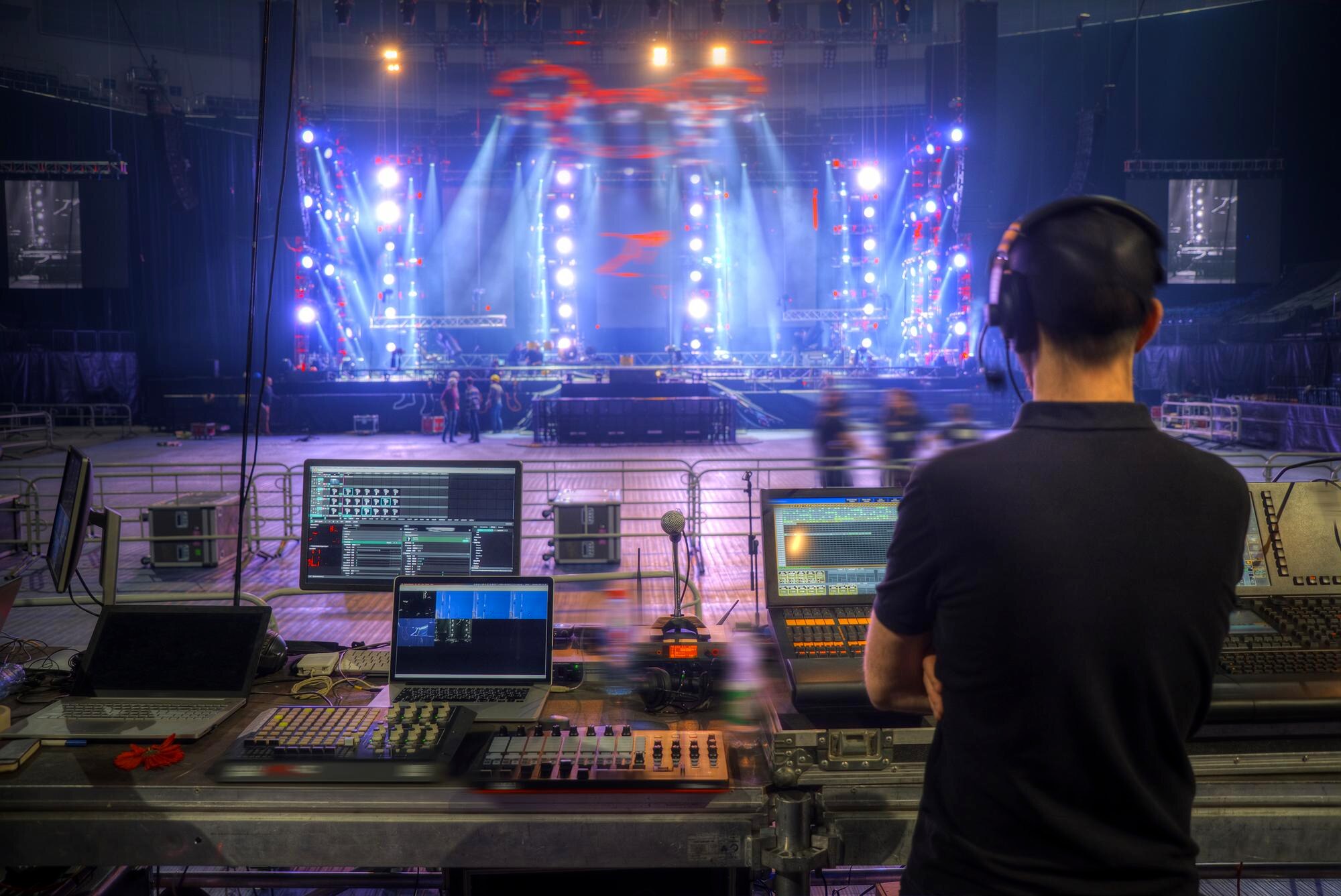
Sound system installation is only the beginning. Ongoing support, including maintenance and troubleshooting, ensures your system remains in peak condition.
Regular maintenance is crucial for keeping your sound system in top shape. Preventative care can help avoid costly repairs.
Clean equipment regularly to prevent dust buildup.
Check connections and cables for wear and tear.
Update software and firmware as needed.
For more on maintenance tips, explore this maintenance resource.
Recommendations:
Schedule routine inspections.
Keep spare parts on hand for quick fixes.
By following these best practices, you can extend the life of your equipment and ensure consistent performance.
Even with the best setup, issues can arise. Knowing how to troubleshoot common problems can save time and frustration.
Feedback issues often stem from microphone placement.
Distorted sound may indicate a problem with speaker alignment.
Connectivity problems can result from faulty cables.
Refer to community discussions, like this Reddit thread, for practical solutions.
Actionable advice:
Adjust microphone positions to reduce feedback.
Check speaker alignment to resolve distortion.
Regularly inspect cables to ensure connectivity.
Effective troubleshooting keeps your sound system running smoothly, ensuring a successful event every time.